Overview

The Challenge
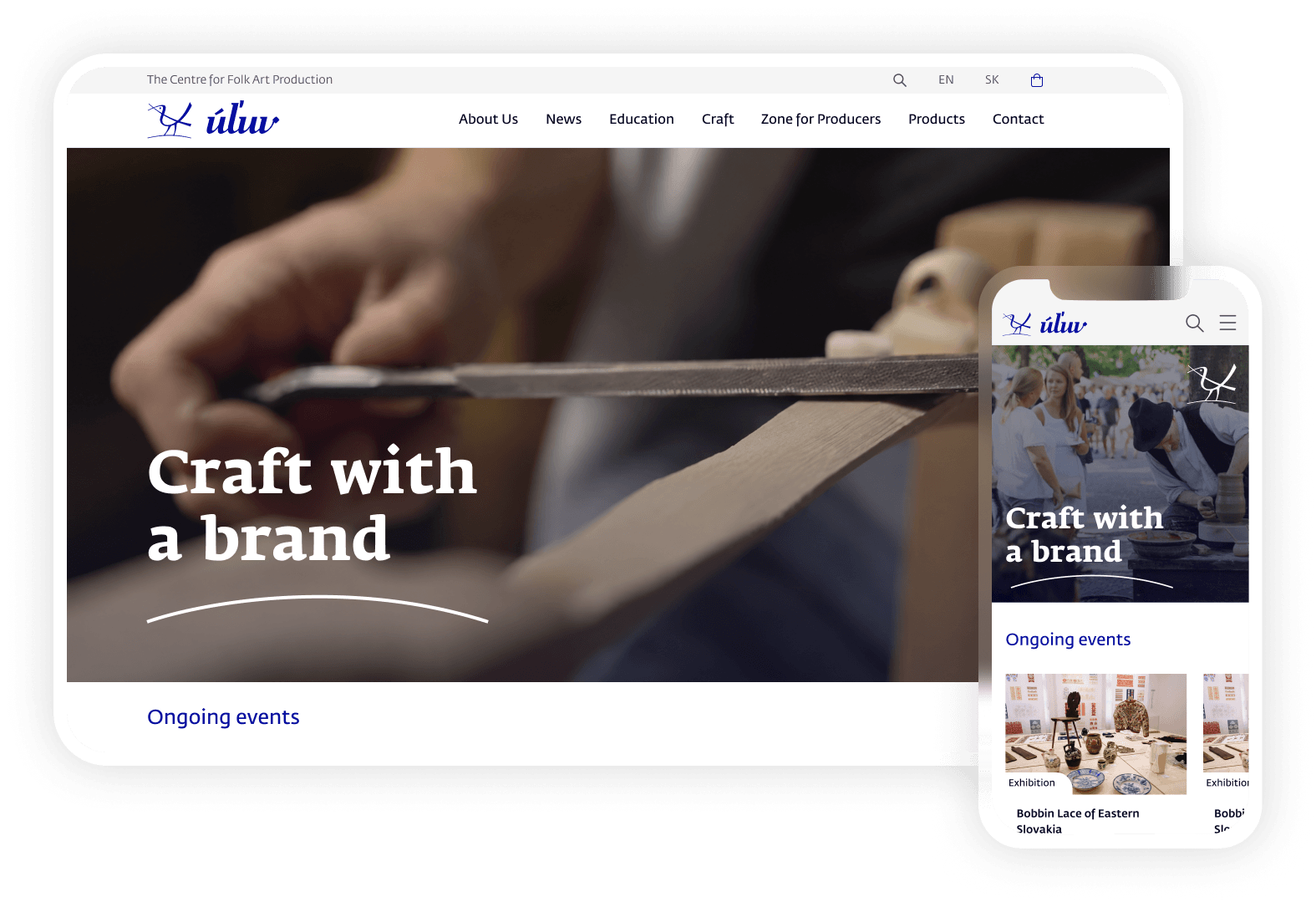
A heritage institution with no digital infrastructure.
ÚĽUV maintains a network of galleries and regional branches, teaches craft skills, curates an encyclopaedia of Slovak crafts and folk costume, and supports a community of artisans across the country. Its digital presence had not kept pace with any of it.
The previous website ran on ageing infrastructure and stored more than a decade of cultural content in a legacy content management system that had never structured it for reuse. The institution had no way to sell artisans' work online and no way to manage course enrolments digitally. Everything happened by phone, email or in person.
ÚĽUV published a public tender for a complete rebuild. The brief was unusually broad for a single project:
01
A bilingual content platform covering the institution and its regional branches
02
An encyclopaedia of traditional crafts, ÚĽUV products, producers and Slovak folk costume
03
A searchable catalogue of producers with a self-service zone and application workflow
04
An events system for exhibitions, lectures and competitions
05
A craft school with online course registration
06
Support for selling handmade products online
The Constraints
Three constraints shaped everything that followed.

No E-shop for a State Institution

Accessibility Required by Law
Design from a Separate Agency
The Solution
Full technical ownership within hard constraints.
BRACKETS took complete technical ownership of the build (backend, frontend, integrations, migration, deployment and testing), starting from third-party designs.
Before writing code, we audited every screen against the tender specification alongside the client's project team. This surfaced real gaps early: content types that appeared in the designs but had never been specified, event categories that differed between desktop and mobile, and navigation structures that needed rationalising.
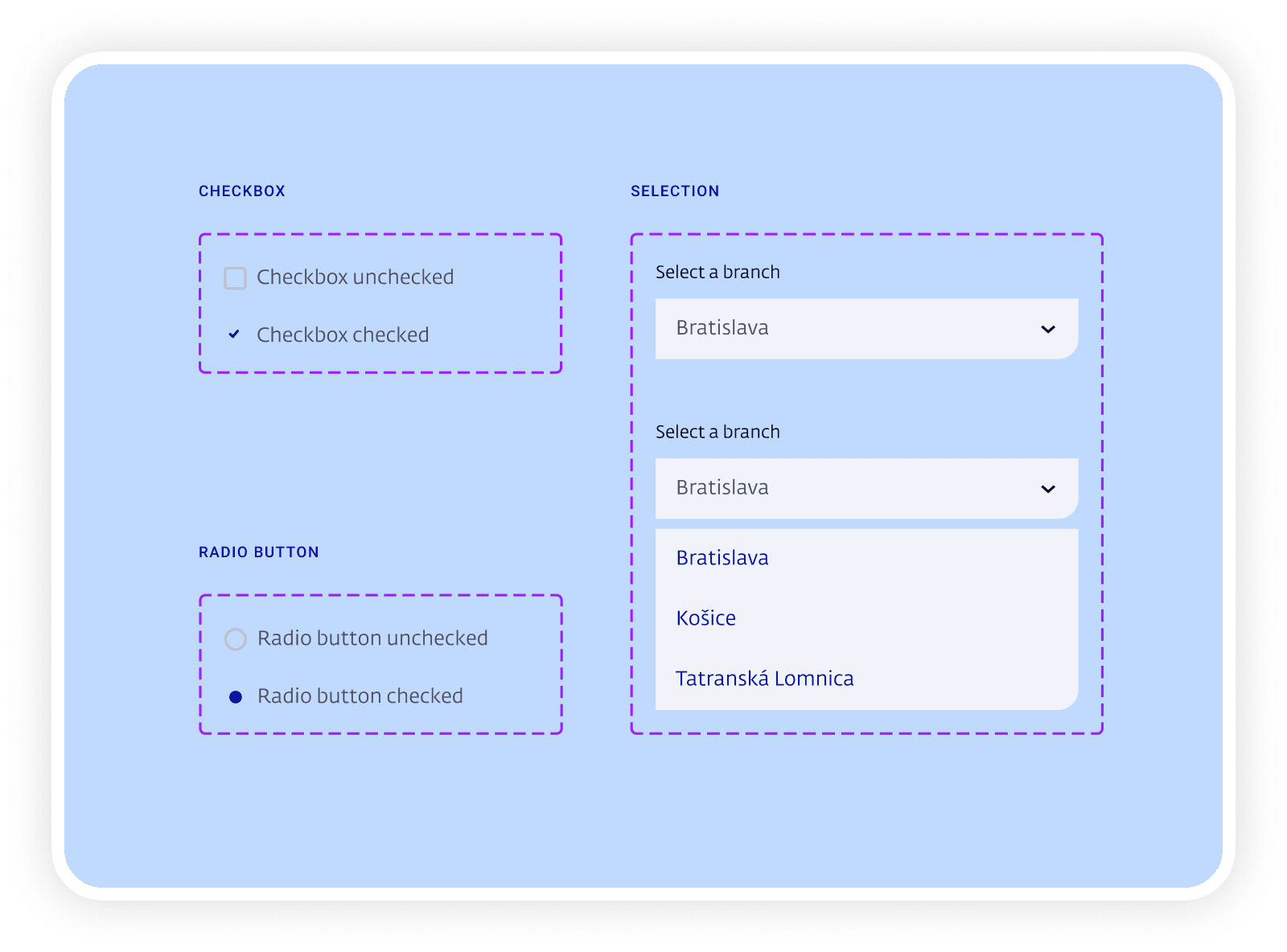
Public-sector accessibility rules also ruled out several patterns present in the designs. We proposed and built compliant alternatives for each, rather than shipping the designs as drawn and retrofitting accessibility after launch.
Built for Accessibility
Building for users with visual and motor impairments.
Slovak law requires public sector websites to conform to WCAG 2.1 Level A and AA, the same technical criteria that underpin the European standard EN 301 549. We treated those requirements as build constraints from the first sprint rather than as a post-launch audit item, and the accessibility workstream ran across the whole platform.
Two decisions show how directly this shaped the product:
01
Navigation had to work without a mouse. Dropdown menus were changed to open on click instead of hover, so the site is fully operable by keyboard and by anyone who cannot control a pointing device precisely.
02
Motion and auto-playing media were removed entirely. Video backgrounds, sliders, carousels and decorative animations were taken out of the designs. These are a common trigger for users with vestibular disorders and a persistent obstacle for screen reader users.
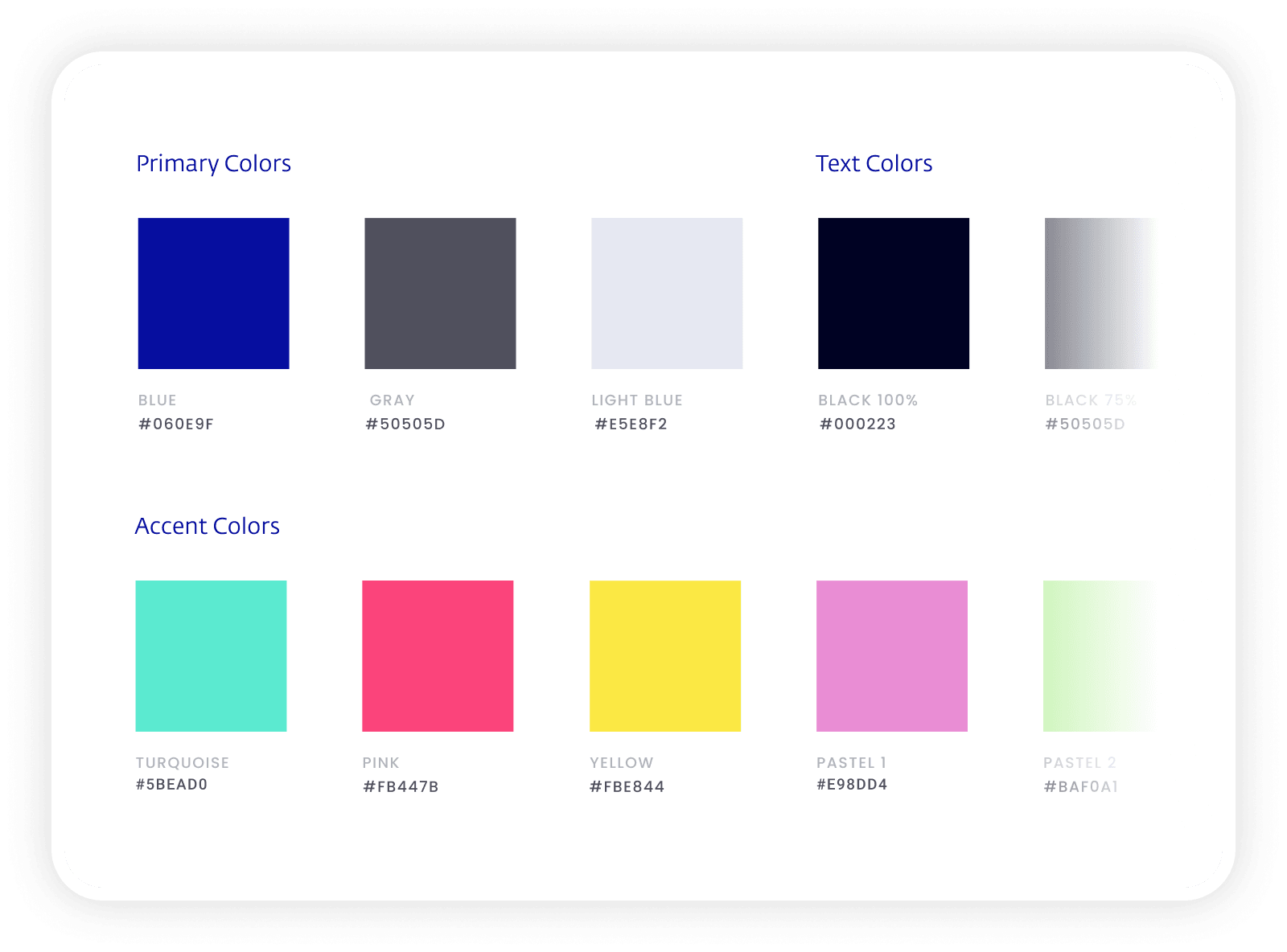
Alongside these, the build covered the wider AA criteria the standard demands: semantic markup and heading structure so assistive technology can convey a page rather than read out undifferentiated text, text alternatives for images across an image-heavy catalogue of craft objects, colour contrast and type sizing legible to low-vision users, and descriptive link text.
For ÚĽUV this mattered more than compliance paperwork. A significant share of its audience is older, and the platform's most important journeys, enrolling in a craft course or completing a purchase, are exactly the ones that fail first when accessibility is treated as an afterthought.
What We Built
A platform built module by module.
We developed the platform in defined blocks: content pages and regional micro-homepages, an events system covering exhibitions, lectures and competitions, a four-part encyclopaedia of traditional crafts and folk costume, a producer catalogue with a dedicated producer zone and an approval workflow for new applicants, product listings for handmade goods, and a craft school with full course registration.
Because every item ÚĽUV sells is a one-off handmade piece, conventional stock management was irrelevant. We designed the product flow around unique items instead. The entire platform was delivered in Slovak and English.
State Treasury Payments
Payments integrated with the Slovak State Treasury.
Payments were integrated directly with the Slovak State Treasury to meet the institution's public accounting obligations. This was the most technically demanding integration in the project and was delivered in full by our team.
Data Migration
Migrating an archive that had never been structured.
Migration was the largest single workstream. The legacy system stored pages as loose blocks of text, images and galleries with no consistent schema, which meant exhibition dates, product codes, materials and prices were buried inside free-form content rather than sitting in defined fields.
The archive was large enough that the client delivered it to us on a physical hard drive. We reverse-engineered the legacy database structure, wrote custom SQL and parsing scripts for each content type, and moved the archive into the new platform: museum collections, the crafts encyclopaedia, the producer register and years of exhibition history.
Working With the Client
Testing with the client, not for them.
We ran regular status meetings throughout development, gave the client access to a working test environment well before launch, and structured feedback collection so issues were identified and resolved by the institution's own teams before go-live.
The Results
Capabilities the institution had never had.
The platform launched in December 2022, giving ÚĽUV a modern, fully bilingual digital home for the first time.
01
Online sales became possible. ÚĽUV can now sell artisans' work through a compliant payment flow integrated with the State Treasury, something the institution had never been able to do.
02
Manual processes moved online. Craft school enrolment shifted from manual handling to self-service registration. The producer community gained a dedicated zone with a proper application and approval process.
03
A decade of cultural content survived the move. The encyclopaedia, museum collections and exhibition archives were preserved and made searchable rather than lost in the platform change.
04
Built to the WCAG 2.1 AA standard required of Slovak public institutions. Broader access for visitors using screen readers, screen magnifiers or keyboard-only navigation, and for older users, who make up a significant share of ÚĽUV's audience.
05
Slovak craft heritage reached an international audience through a full English-language version of the platform.
Following launch, BRACKETS provided twelve months of SLA support on a 5×8 basis while the institution's teams settled into the new system.
AA compliant Accessibility to WCAG 2.1 standard
SK + EN Fully bilingual platform
12 months SLA support on a 5×8 basis
FAQ
In Production
Related
Building for the public sector?
Let's talk